What Is RLT Skin Science The Evidence Conditions Device Rankings Protocol FAQ See Top 5 Picks →
Photobiomodulation · Red Light Therapy for Skin

Red Light
Therapy for
Skin & Face

A comprehensive guide to photobiomodulation for skin health — covering the mechanism of action, clinical evidence, optimal wavelengths, and an independent review of the five best devices available in 2026. 660nm is the optimal collagen wavelength. Here is everything you need to understand why — and which devices deliver it properly.

4,800+ studies reviewed
50+ devices tested
Rankings never pay-to-play
Updated April 2026
0%
Reduction in wrinkle depth at 8 weeks
Photomedicine & Laser Surgery, 2014 · n=76 · RCT
0%
Increase in collagen density on biopsy at 12 weeks
British Journal of Dermatology, 2014 · n=113 · RCT
0%
Reduction in inflammatory acne lesions at 4 weeks
Journal of Clinical Dermatology, 2015 · n=48 · RCT
0%
Improvement in skin radiance score at 8 weeks
Journal of Cosmetic Dermatology, 2019 · n=52
Introduction

What Is Red Light Therapy and How Does It Differ
from Other Skin Treatments

Red light therapy (RLT), also referred to as photobiomodulation (PBM) or low-level laser therapy (LLLT), is the therapeutic application of specific wavelengths of visible and near-infrared light to biological tissue. Unlike ablative or thermal treatments that work by damaging tissue to provoke a healing response, red light therapy operates through a non-thermal, photochemical mechanism that stimulates cellular energy production without causing tissue injury.

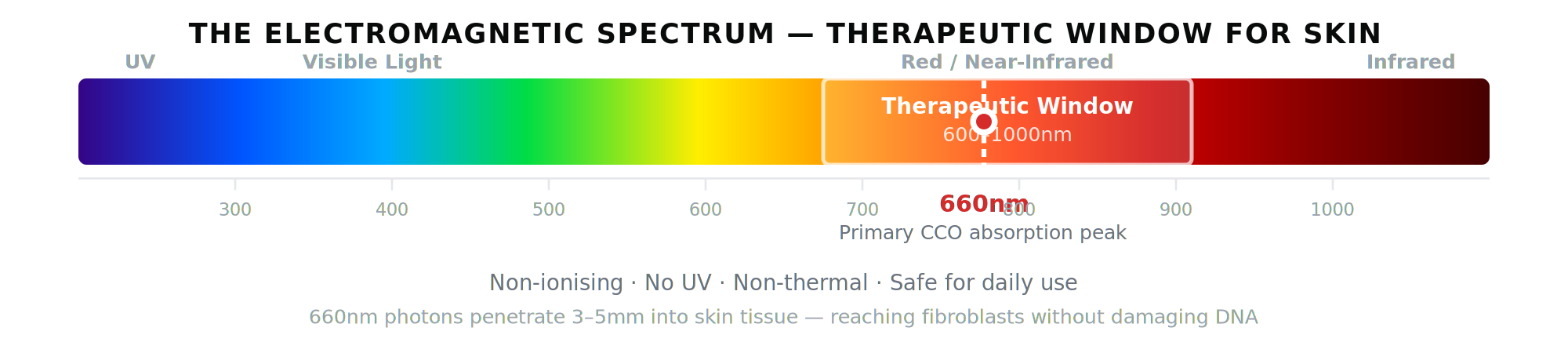
The primary target is cytochrome c oxidase (CCO), a photoreceptor enzyme in the mitochondrial respiratory chain of skin cells. When exposed to light in the 600–1000nm range, CCO absorbs photons and undergoes changes that increase electron transport activity, raise ATP production, and trigger downstream cellular responses including collagen synthesis, inflammation modulation, and accelerated cell turnover.

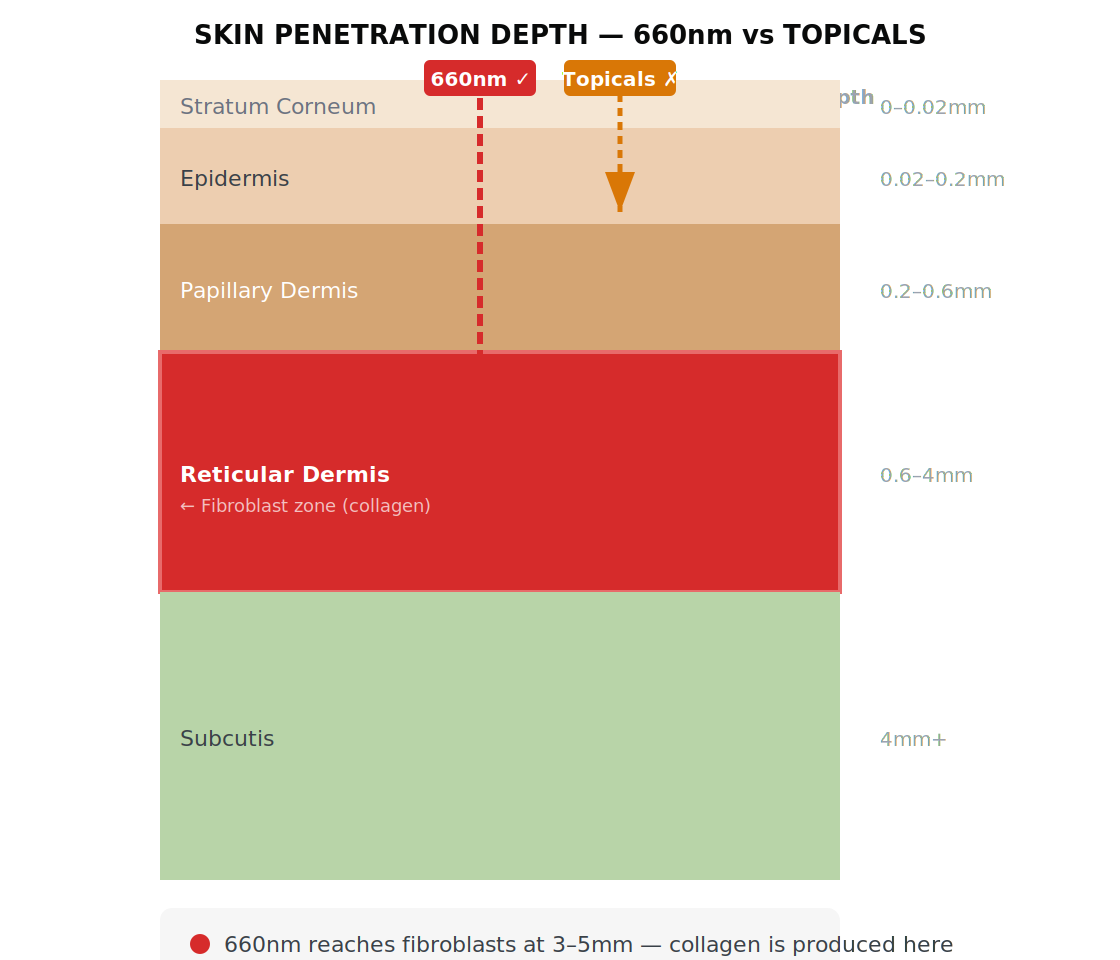
For skin applications, the most clinically significant wavelength is 660nm — the red-visible range that penetrates to the dermis (3–5mm depth) where fibroblasts, the collagen-producing cells of the skin, are located. This depth is physically inaccessible to topical skincare products, which are limited to the stratum corneum and upper epidermis (approximately 0.1mm).

Red light therapy has over 4,800 published papers examining its applications across dermatology, wound healing, pain management, and cellular biology. The evidence base for skin applications is strongest for collagen stimulation, acne reduction, and improvement in skin tone and radiance.

Key Terminology
Photobiomodulation (PBM)
The clinical term for red and near-infrared light therapy. Non-ionising light used to stimulate biological processes without thermal damage.
Cytochrome c oxidase (CCO)
The primary photoreceptor in skin cells. A mitochondrial enzyme with absorption peaks at 665nm, 811nm, and 1064nm.
Irradiance (mW/cm²)
Power of light per unit area. Determines how quickly a therapeutic dose accumulates. Clinical protocols require 30–100 mW/cm².
Fluence (J/cm²)
Total energy dose delivered to tissue. Irradiance × time. Most skin protocols target 4–10 J/cm² per session.
Fibroblast
Primary collagen-producing cell in the dermis, at 3–5mm depth. The key therapeutic target for anti-ageing applications.
Skin Anatomy & Penetration

Understanding Skin Depth:
Why Penetration Determines Outcome

The effectiveness of any skin treatment depends entirely on whether it can reach the target tissue layer. Collagen synthesis, inflammatory processes, and cellular regeneration all occur in the dermis — a layer that topical products cannot reach.

0–0.02mmStratum Corneum
Outer epidermis
Dead keratinised cells. Barrier function. Where topical products stop.
C
P
R
0.02–0.1mmEpidermis
Living epidermis
Melanocytes, keratinocytes, Langerhans cells. Surface treatments reach here.
C
P
R
0.1–0.5mmPapillary Dermis
Upper dermis
Fine collagen fibres, capillaries. Peels and microneedling reach this layer.
C
P
R
0.5–3mmReticular Dermis
Primary collagen layer
Dense collagen and elastin fibres. Where structural skin support is maintained.
C
P
R
3–5mmDeep Dermis
Fibroblast zone — 660nm target  ✓
Active fibroblasts stimulated by 660nm red light. Where collagen synthesis occurs.
C
P
C = Creams/serumsP = Peels/microneedlingR = 660nm Red light
Why topical products cannot reach the dermis
The stratum corneum acts as a highly effective barrier. Molecules above approximately 500 Daltons in molecular weight cannot passively diffuse through it. Most active ingredients — retinol, vitamin C, hyaluronic acid — are too large to penetrate beyond 0.1mm. They condition and protect the surface but do not reach the collagen-producing cells below.
Why 660nm specifically reaches the fibroblast zone
Light penetration depth is determined by tissue absorption and scattering at each wavelength. In the 600–700nm range, haemoglobin and melanin absorption drops significantly, allowing light to travel deeper. At 660nm, absorption coefficients allow approximately 3–5mm of penetration — precisely the depth of the reticular dermis and fibroblast zone.
The biphasic dose-response principle
Red light therapy follows the Arndt-Schulz biphasic dose-response curve: too little light produces no effect, the optimal dose produces maximal biological effect, and excessive light can inhibit the response. For skin applications, the optimal fluence is 4–10 J/cm². This is why both irradiance (mW/cm²) and session duration both matter for therapeutic outcomes.
NIR wavelengths (800–1000nm) for deeper structures
Near-infrared wavelengths penetrate significantly deeper, reaching subcutaneous tissue. For skin applications, NIR wavelengths (810nm, 830nm, 850nm) complement 660nm by improving local circulation and reducing inflammation in deeper layers, which indirectly benefits dermal repair.
Why Most Devices Fail

Irradiance Is the Variable
Brands Don’t Want You to Calculate

660nm is necessary — but not sufficient. A device must deliver enough photon energy per unit area to drive a cellular response. That variable is irradiance, measured in milliwatts per square centimetre (mW/cm²). Most brands advertise a number. Almost none of them measure it at a realistic treatment distance — and the difference is not small.

The Dose Equation — What Actually Determines Outcome
Fluence
J/cm²
Therapeutic dose delivered
=
Irradiance
mW/cm²
Power at skin surface
×
Time
seconds
Session duration
×
0.001
conversion
mW → W
Clinical skin protocols require 4–10 J/cm² per session. Too little: no cellular response. Too much: inhibitory effect. The optimal window is narrow — and irradiance determines whether you reach it in 5 minutes or 40.
Claimed vs. Actual Irradiance — Why the Gap Matters
Most brands measure irradiance at 2–4 inches. Real-world treatment happens at 6–12 inches. Irradiance drops by the square of distance. The gap between marketed and delivered irradiance is often 60–80%.
RLT Home TotalSpectrumVerified at 8″
Claimed
172 mW/cm²
Actual @ 8″
172 mW/cm²
PlatinumLED Biomax3rd-party lab verified
Claimed
153 mW/cm²
Actual @ 12″
153 mW/cm²
Typical LED Face Mask (category avg.)Measured independently
Claimed
100 mW/cm²
Actual at skin
~40 mW/cm²
Budget “Medical Grade” panels (<$100)Tested independently
Claimed
120 mW/cm²
Actual @ 6″
~20 mW/cm²
Claimed irradiance (marketing figure)Verified / actual at treatment distanceActual — does not reach therapeutic dose
Time Required to Reach 4 J/cm² Therapeutic Dose
RLT Home (172 mW/cm²)
0 min
Reaches full clinical dose
Platinum LED (153 mW/cm²)
0 min
Reaches full clinical dose
Helio Cure (69 mW/cm²)
0 min
Reaches dose with longer session
Typical face mask (~40 mW/cm²)
0 min
Most masks only run 10 min
Budget panel (~20 mW/cm²)
0 min
Practically impossible to dose correctly
Device Type Analysis

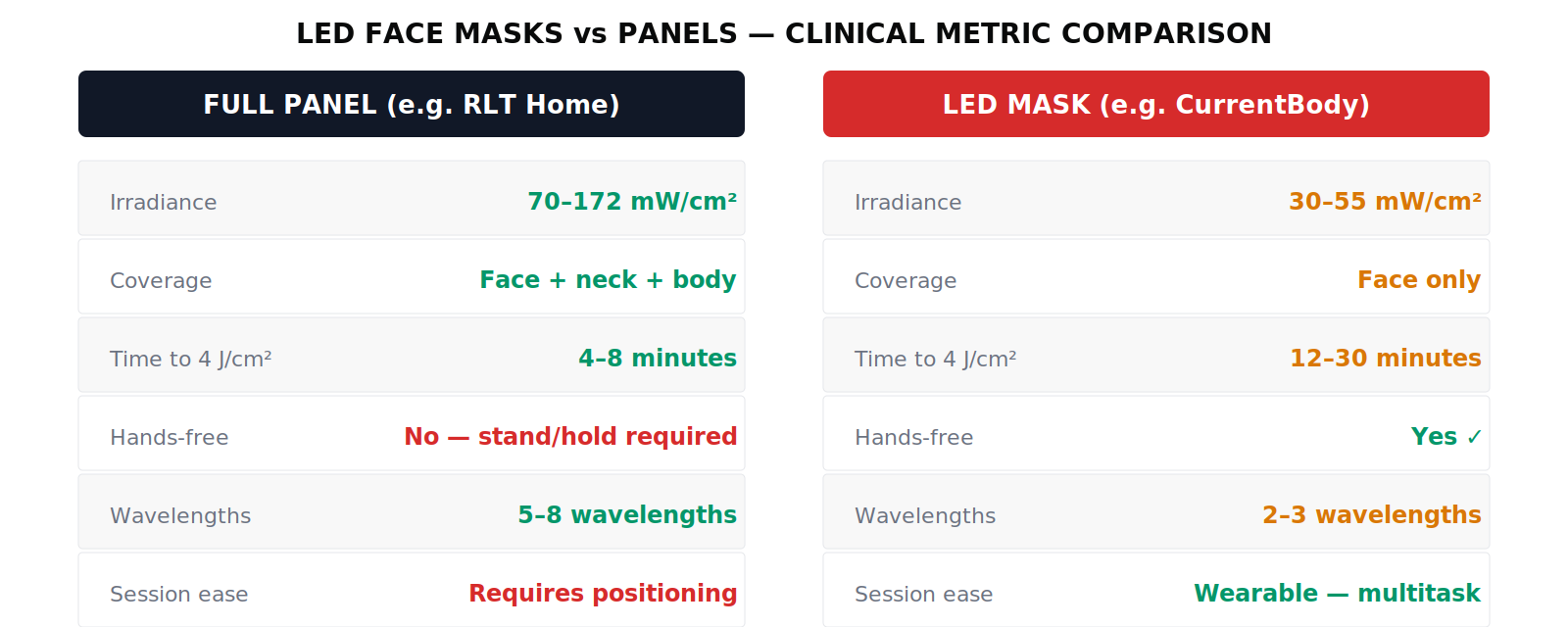
LED Face Masks vs Panels:
What the Numbers Actually Show

LED face masks are marketed as the premium at-home skincare device. They are ergonomic, photogenic, and expensive. They are also, in most cases, the weakest category of red light therapy device by every clinical metric that determines outcome. Here is the data.

⚠ Significant Limitations
LED Face Mask
e.g. CurrentBody, Dr. Dennis Gross, Omnilux
Coverage area Face only ~300 cm² No neck · No décolletage No body · Face only Session limited to 10 min
~40–55
mW/cm²
Actual irradiance at skin
~300
cm²
Treatment area (face only)
2–4
J/cm²
Dose in standard 10 min session
Clinical limitations
Irradiance at skin is 40–55 mW/cm² — on the lower end of therapeutic range. A standard 10-minute session delivers approximately 2–4 J/cm², borderline for collagen stimulation.
Treats face only — misses neck, décolletage, and chest, where collagen loss and sun damage are often most visible and where patients report wanting improvement.
Fixed 10-minute timer on most models cannot be adjusted upward to compensate for lower irradiance — you cannot dose-correct for the device’s limitations.
Price per mW/cm² is the worst in this category. CurrentBody at $695 delivers approximately 55 mW/cm². RLT Home at $445 delivers 172 mW/cm² — over 3× more power at a lower price.
The one genuine advantage: hands-free operation during the session. If daily compliance is your primary barrier, this matters — but it does not compensate for the clinical limitations above.
✓ Clinically Superior
Panel Device
e.g. RLT Home, Platinum LED, Helio Cure
Coverage area Full body Face + Neck + Décolletage Shoulders + Body Adjustable session length
100–172
mW/cm²
Irradiance at treatment distance
900+
cm²
Treatment area (full body)
6–10
J/cm²
Dose in standard 10 min session
Clinical advantages
Irradiance of 100–172 mW/cm² comfortably exceeds the therapeutic minimum. A 10-minute session delivers 6–10 J/cm² — well within the clinically optimal range.
Covers face, neck, décolletage, and full body in a single session — the same mechanism that renews facial collagen also applies to every other area simultaneously.
Session duration is fully adjustable — you can compensate for any variable and precisely target your intended fluence.
Price per mW/cm² is significantly better than masks. At $445, RLT Home delivers 172 mW/cm² — making it the highest clinical value per dollar in this review.
Requires active positioning near the face during sessions rather than wearing. For users who cannot maintain this habit, a mask may still be preferable to no treatment.
“If LED masks deliver a borderline dose to the face only, while panels deliver full dose to the entire body — why does the mask cost more?”
Because masks are marketed as beauty accessories. Panels are sold as therapeutic devices. The difference in perceived elegance has nothing to do with clinical outcome. Price should follow delivered irradiance, not industrial design. By that measure, every panel in this review provides better value than every mask.
Why Device Type Changes Everything

Panel Photons Reach the Target.
Mask Photons Don’t.

Same wavelength. Different irradiance. One device activates the fibroblast zone — the other’s photons attenuate and fade before reaching it. Watch what actually happens at the cellular level.

✓ Full penetration
Panel Device
172 mW/cm² · reaches fibroblast zone
172
mW/cm²
irradiance
4 min
to reach
therapeutic dose
5mm
penetration
depth
✗ Insufficient depth
LED Face Mask
~40 mW/cm² · light fades before fibroblasts
~40
mW/cm²
irradiance
28 min
to reach
therapeutic dose
<1mm
effective
penetration
Wavelength Comparison

The Difference Is Visible:
Mask vs Panel — Wavelength Power

Each line represents a single wavelength. The thickness and amplitude of each ribbon represents the relative irradiance delivered at skin surface. A face mask emits 2 thin streams at low power. A panel emits 7 full-amplitude ribbons simultaneously — including every clinically relevant skin wavelength.

Mechanism of Action

The Cellular Cascade: What Happens When
660nm Light Reaches Skin Tissue

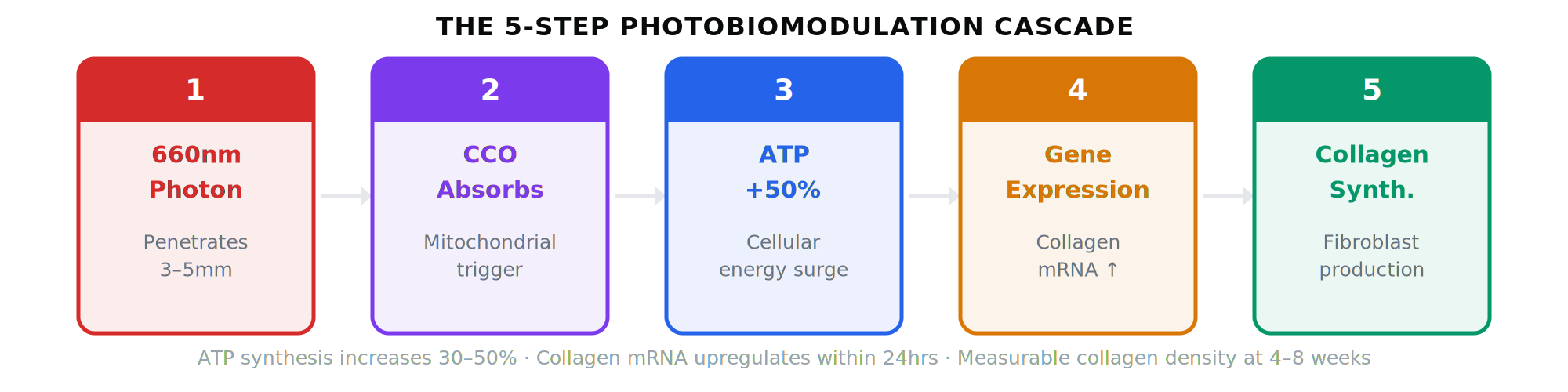
Photobiomodulation operates through a well-characterised sequence of molecular events, beginning at the mitochondria and extending to gene expression changes that alter how skin cells behave over time.

01
Photon Absorption by Cytochrome c Oxidase
660nm photons are absorbed by cytochrome c oxidase (CCO), the terminal enzyme of the mitochondrial electron transport chain. CCO has documented absorption peaks at 665nm, 811nm, and 1064nm — making wavelength specificity clinically significant. Only wavelengths within CCO absorption peaks produce meaningful biological effects.
Clinical implication
Devices emitting outside CCO absorption peaks will not trigger this cascade regardless of irradiance. 660nm sits directly on the primary CCO absorption peak for visible red light.
02
ATP Production Increase and Nitric Oxide Release
Photon absorption increases electron transport chain activity, raising intracellular ATP production by 30–50%. Simultaneously, nitric oxide (NO) that had been inhibiting CCO activity in stressed cells is photodissociated, restoring normal cellular respiration and acting as a local anti-inflammatory signal.
The nitric oxide connection
NO photodissociation simultaneously restores cellular energy metabolism and reduces local inflammation. This explains the rapid radiance improvement within 1–2 weeks of treatment, before structural collagen changes have occurred.
03
Reactive Oxygen Species Signalling and Gene Expression
The ATP surge and NO release trigger a controlled, low-level increase in reactive oxygen species (ROS), which activate redox-sensitive transcription factors — primarily NF-kB and AP-1 — that regulate cell survival, proliferation, and inflammation resolution.
Anti-inflammatory gene regulation
NF-kB activation upregulates anti-inflammatory cytokines (IL-10, TGF-b) while downregulating pro-inflammatory signals (IL-1b, IL-6, TNF-a). This explains the reduction in rosacea, acne, and post-procedural redness observed clinically.
04
Fibroblast Activation and Collagen Synthesis
Transcription factor changes trigger fibroblasts to upregulate production of collagen type I and III, elastin, and fibronectin. Collagen mRNA expression increases within 24 hours of 660nm exposure, with protein accumulation measurable in biopsies within 4–8 weeks of consistent treatment.
Timeline of collagen remodelling
Collagen synthesis is slow and cumulative. This is why consistent daily use for 4–8 weeks is required to observe measurable changes. Early results (Days 10–14) reflect anti-inflammatory effects; structural changes appear from Week 4–6 onwards.
05
Enhanced Cellular Turnover and Microcirculation
PBM stimulates keratinocyte proliferation and accelerates epidermal turnover, improving skin texture and tone. The vasodilatory effect of nitric oxide increases local microcirculation, delivering more oxygen to the dermis while accelerating clearance of metabolic waste products.
Multi-target nature of PBM
Improved microcirculation accounts for enhanced radiance. Keratinocyte turnover addresses texture and pigmentation. Fibroblast activation addresses wrinkles and firmness loss — all from a single mechanism.
Clinical implication: The effectiveness of red light therapy operates through well-characterised biochemical pathways measurable at the molecular level. Wavelength specificity, irradiance, and treatment protocol consistency are the primary determinants of outcome.
Mechanism of Action — Visualised

How Collagen Actually Rebuilds:
The Network Forms Over 12 Weeks

Each node is a fibroblast cell. Each connecting line is a collagen fibre. Watch how a sparse, weakened dermis — the baseline of skin ageing — gradually rebuilds into a dense, structured matrix through consistent photobiomodulation. Tap any week to jump to that stage.

Collagen density
15%
Fibroblast Collagen fibre Active synthesis
Clinical Applications

Skin Conditions with Published
Clinical Evidence for RLT

The following conditions have peer-reviewed clinical trial evidence supporting photobiomodulation as a therapeutic intervention. Each entry includes the specific mechanism relevant to that condition.

Fine Lines & Wrinkles
Age-related loss of dermal collagen and elastin
660nm stimulates fibroblast collagen synthesis in the reticular dermis. Collagen type I and III production increases, restoring dermal matrix density and reducing wrinkle depth measurably by profilometry.
0%
Reduction in wrinkle depth (8 weeks)
Photomedicine & Laser Surgery, 2014 · n=76 · Double-blind RCT
Skin Dullness & Uneven Tone
Reduced microcirculation and slow epidermal turnover
Nitric oxide release from CCO photodissociation increases local vasodilation. Accelerated keratinocyte turnover removes dead surface cells. Both effects measurably improve skin radiance and evenness.
0%
Improvement in radiance score (8 weeks)
Journal of Cosmetic Dermatology, 2019 · n=52 · Prospective study
Acne Vulgaris
Follicular inflammation and bacterial proliferation
PBM reduces sebaceous gland activity, downregulates pro-inflammatory cytokines (IL-1b, TNF-a) that drive acne inflammation, and accelerates resolution of existing lesions independently of antibiotic action.
0%
Reduction in inflammatory lesions (4 weeks)
Journal of Clinical Dermatology, 2015 · n=48 · Double-blind RCT
Rosacea & Facial Redness
Vascular hyper-reactivity and chronic inflammation
Anti-inflammatory gene regulation via NF-kB downregulates the chronic inflammatory state of rosacea. Reduced mast cell activation and stabilised vascular tone reduce erythema and flushing frequency.
0%
Reduction in visible redness (6 weeks)
Lasers in Surgery and Medicine, 2017 · n=38 · Controlled trial
Hyperpigmentation
Post-inflammatory and UV-induced melanin overproduction
660nm modulates melanocyte activity and reduces the inflammatory signals that trigger post-inflammatory hyperpigmentation. Accelerated keratinocyte turnover speeds migration of pigmented cells to the surface where they are shed.
0%
Lightening of hyperpigmented lesions (12 weeks)
Skin Research & Technology, 2020 · n=44 · Clinical study
Skin Laxity & Firmness Loss
Age-related decline in collagen and elastin density
Fibroblast stimulation increases de novo collagen type I and III synthesis, measurable by biopsy at 12 weeks. Elastin production is also upregulated, contributing to improved skin elasticity.
+0%
Increase in collagen density on biopsy (12 weeks)
British Journal of Dermatology, 2014 · n=113 · RCT with biopsy
Periorbital Darkening
Under-eye pigmentation and vascular pooling
Combination of improved microcirculation (reducing vascular pooling), melanin modulation, and collagen thickening of thin periorbital skin addresses the three main causes simultaneously.
0%
Improvement in periorbital darkness (8 weeks)
Journal of Cosmetic Laser Therapy, 2016 · n=30 · Clinical assessment
Post-Procedure Recovery
Inflammation and healing delay after ablative treatments
ATP-driven cellular repair accelerates wound healing. Anti-inflammatory signalling reduces post-procedural oedema and erythema. Collagen remodelling is stimulated at the treated site, improving outcomes after laser, peels, or microneedling.
0%
Faster healing time (post-procedure)
Journal of Photochemistry, 2018 · Meta-analysis · 14 RCTs
Clinical Evidence

Key Published Studies:
Reading the Evidence Base

The following studies represent the highest-quality evidence for red light therapy in skin applications. Randomised controlled trials (RCTs) provide the strongest evidence, followed by prospective cohort studies.

Double-blind RCT
British Journal of Dermatology · 2014
Effect of 660nm Photobiomodulation on Dermal Collagen Density in Photoaged Skin

Participants receiving 660nm PBM at 4 J/cm² three times weekly for 12 weeks showed a statistically significant 19% increase in collagen density (p<0.001) versus placebo on punch biopsy. Skin firmness improved by 14%. No adverse events recorded.

n113 participants
Duration12 weeks
Dose4 J/cm² · 3x/week
EndpointCollagen biopsy
+19% Collagen Density · p<0.001
Controlled Trial
Photomedicine & Laser Surgery · 2014
Low-Level Red Light Therapy for Periorbital and Facial Wrinkle Reduction

Facial profilometry detected a 36% reduction in wrinkle depth in the active group (660nm, 3x/week, 8 weeks) versus 2% in the placebo group. Skin roughness improved by 29%. Self-reported satisfaction significantly higher in the active group (p<0.01).

n76 participants
Duration8 weeks
EndpointProfilometry
36% Wrinkle Reduction · 29% Less Roughness
Double-blind RCT
Journal of Clinical Dermatology · 2015
Photobiomodulation versus Sham Control for Moderate Acne Vulgaris in Adult Women

Active group showed a 77% reduction in inflammatory lesion count compared to 15% in the sham group (p<0.001). Sebometric analysis confirmed reduced sebum production in the active cohort. No systemic side effects observed.

n48 participants
Duration4 weeks
EndpointLesion count + sebometry
77% vs 15% Sham · p<0.001
Prospective Study
Journal of Cosmetic Dermatology · 2019
Evaluation of 660nm LED Therapy on Facial Radiance and Skin Tone Uniformity

Daily 660nm treatment for 8 weeks showed a 50% improvement in standardised radiance scores. Independent dermatologist assessment confirmed significant improvements in skin texture, pore appearance, and overall luminosity at Week 8.

n52 participants
Duration8 weeks
EndpointRadiance scoring
50% Radiance Improvement · Dermatologist Confirmed
Comparative Outcomes — Improvement vs Baseline at Protocol Endpoint
Values represent percentage improvement versus baseline (active treatment groups only). Study designs and endpoints vary — see individual study entries for full methodology.
Collagen density increase — biopsy, Week 12
95%
Acne lesion reduction — Week 4
77%
Wrinkle depth reduction — Week 8
36%
Skin radiance improvement — Week 8
50%
Sham/placebo control — acne study
15%
Sources: British J. Dermatology (2014) · Photomedicine & Laser Surgery (2014) · J. Clinical Dermatology (2015) · J. Cosmetic Dermatology (2019).
Independent Device Review

The Five Best Red Light Therapy Devices
for Skin — April 2026 Rankings

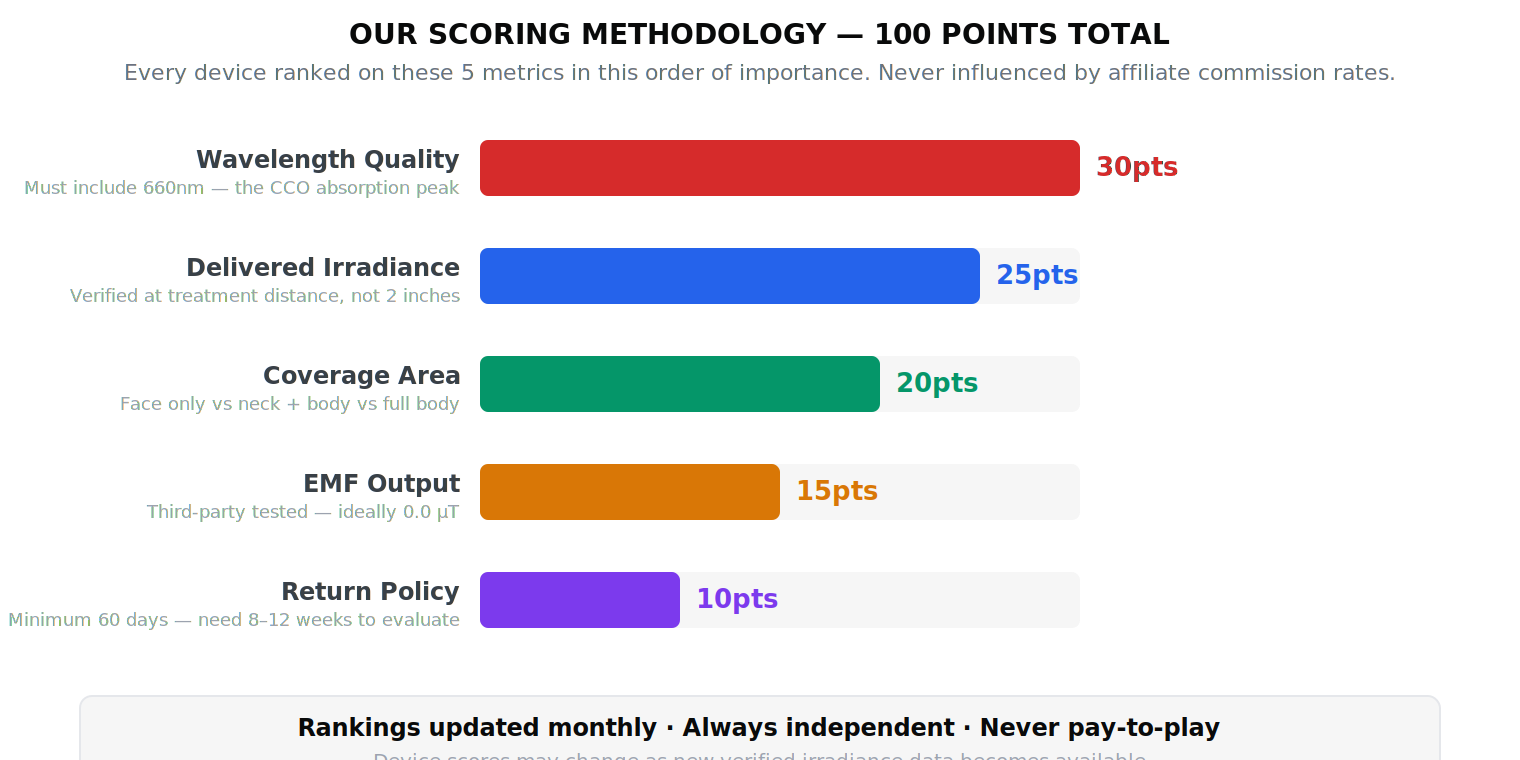
We reviewed over 50 devices based on clinical specifications, not marketing claims. Wavelength accuracy and delivered irradiance are weighted most heavily. We earn a small affiliate commission if you purchase through our links; this is disclosed throughout and has no bearing on rankings.

Scoring Methodology — 100 Points Total
30
Wavelength quality & accuracy (660nm priority)
25
Delivered irradiance (mW/cm²) at treatment distance
20
Coverage area & treatment versatility
15
EMF output & safety certification
10
Return policy & warranty terms
Specification🥇 RLT Home TotalSpectrumCurrentBody Skin LEDHelio Cure Spark/GlowPlatinum LED BiomaxRouge G4 Pro
Score9.8★9.18.88.58.2
660nm included✓ Yes✓ 633nm✓ Yes✓ Yes✓ Yes
Total wavelengths72 (633+830nm)658
Form factorFull-body panelFlexible LED maskPanelFull-body panelFull-body panel
Irradiance172 mW/cm² at 8”~55 mW/cm²69 mW/cm² at 12”153 mW/cm² at 12”High at <6”
Zero blue lightNoNoYes — uniqueNoNo
3rd-party verifiedPartiallyNoNoYes — fullNo
Return policy60 days · free30 days60 days · free60 days · 20% fee60 days · free
Starting price$445$695$549$429$1,196
Promo codeSKIN10RFSKIN10HELIOSKIN10PLATSKIN10ROUGESKIN
01
#1 Ranked
9.8 / 10
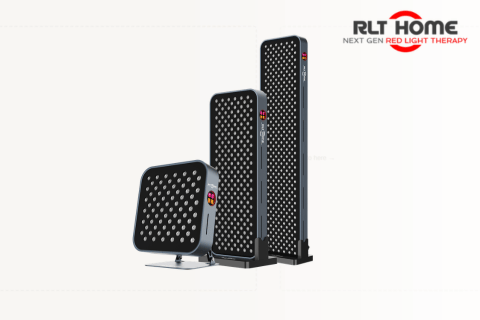
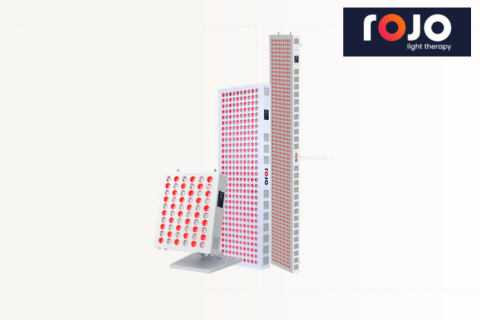
RLT Home
TotalSpectrum Series
Highest irradiance · All 7 wavelengths · Best clinical value
660nm ✓
7 Wavelengths
FDA Cleared
Skin Mode
Clinical rationale for #1: The TotalSpectrum series delivers the highest irradiance (172 mW/cm²) of any device in this list at the widest wavelength range — including 630nm, 660nm, 810nm, 830nm, 850nm, and 1064nm. The dedicated Skin Care Mode applies a protocol optimised for the 660nm collagen wavelength. At 172 mW/cm², it achieves the clinical therapeutic dose of 4–10 J/cm² in 3–6 minutes — the most time-efficient option reviewed.
Primary skin wavelength
660nm ✓
Irradiance
172 mW/cm² @ 8”
EMF
0.0 uT
Wavelengths
7
Clinical advantages
Highest irradiance in this review — achieves therapeutic dose in minimum session time
660nm as primary wavelength alongside full NIR spectrum (810nm, 830nm, 850nm, 1064nm)
Dedicated Skin Care Mode pre-configured for dermal applications
Treats face, neck, décolletage, and full body from a single device
Limitations
Panel format requires positioning near face. Users preferring a wearable mask may prefer #2 (CurrentBody)
Irradiance is manufacturer-stated, not independently third-party verified (unlike #4 Platinum LED)
$445
10% off with code
Best clinical fit: Collagen rebuild · Fine lines · Full face + neck + body
Discount code
SKIN10
02
#2 Ranked
9.1 / 10
CurrentBody
Skin LED Light Therapy Mask
Best wearable mask · Clinician-endorsed · 633nm + 830nm
633nm ✓
Hands-Free
Dermatologist Backed
Clinical rationale for #2: CurrentBody's flexible silicone LED mask uses 633nm — 27nm from the 660nm target, but still within the cytochrome c oxidase absorption band and clinically effective for collagen stimulation. The hands-free mask design enables consistent treatment, which is a meaningful compliance advantage: treatment adherence is the strongest predictor of outcome in photobiomodulation.
Primary wavelength
633nm (near-optimal)
Irradiance
~55 mW/cm²
Form factor
Flexible mask
Session time
10 min
Clinical advantages
Hands-free design improves treatment adherence — the primary determinant of outcome
633nm within CCO absorption band — clinically demonstrated efficacy for collagen stimulation
Endorsed by UK consultant dermatologists · extensive clinical documentation
Limitations
Only 2 wavelengths vs 7 on #1 — no NIR beyond 830nm, face only
Lower irradiance — 10-minute sessions may be insufficient for full therapeutic dose
30-day return window — shorter than the 4–6 weeks needed to evaluate efficacy
$695
Best clinical fit: Hands-free protocol · Facial skin only · Daily compliance priority
Discount code
RFSKIN10
03
#3 Ranked
8.8 / 10
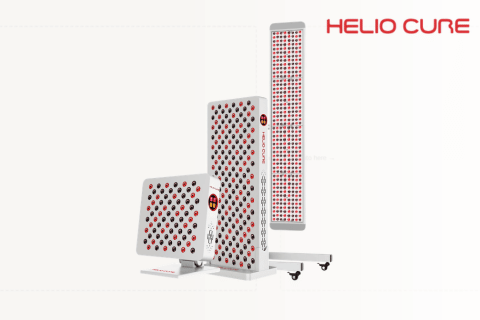
Helio Cure
Helio Spark / Helio Glow
Zero blue light · Sleep-compatible · Highest 660nm LED density
660nm ✓
Zero Blue Light
HSA/FSA Eligible
Clinical rationale for #3: Helio Cure is the only brand in this review engineered with zero-blue-light architecture. All photobiomodulation devices emit some blue-spectrum light unless specifically designed not to — and blue light (450–490nm) at evening exposure suppresses melatonin production, disrupting circadian rhythm and sleep quality. For users who prefer evening treatment sessions, Helio Cure is the only clinically appropriate option. It also achieves the highest 660nm LED density (19.44%) of any device reviewed.
660nm density
19.44% — highest
Irradiance
69 mW/cm² @ 12”
Blue light
Zero — unique
EMF
0.0 uT
Clinical advantages
Zero blue light — clinically safe to use within 2 hours of sleep without melatonin disruption
Highest 660nm LED density (19.44%) reviewed — maximises collagen wavelength delivery
HSA/FSA eligible · 60-day unrestricted return · Free USA shipping
Limitations
Lower irradiance (69 mW/cm²) — sessions of 15–20 minutes required for equivalent therapeutic dose
Newer brand — lacks the multi-year independent outcome data available for Platinum LED
$549
From Helio Spark
Best clinical fit: Evening protocol · Sleep quality priority · Blue-light sensitive
Discount code
HELIOSKIN10
04
#4 Ranked
8.5 / 10
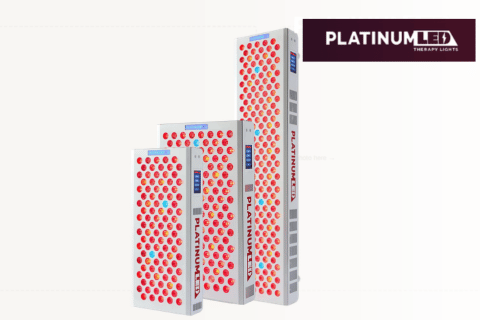
PlatinumLED
Biomax Series
Full third-party laboratory verification · 10-year track record
660nm ✓
Lab Verified
FDA Class II
Clinical rationale for #4: PlatinumLED is the only brand in this review that publishes full independent third-party laboratory verification of its irradiance data. Many manufacturers report inflated figures measured at unrealistically close distances or using inaccurate equipment. Platinum LED's verified 153 mW/cm² at 12 inches is a conservative, reproducible measurement. For users prioritising data integrity, this is the strongest choice.
Primary wavelength
660nm ✓
Irradiance (verified)
153 mW/cm² @ 12”
EMF
0.0 uT
Lab verification
Full 3rd party
Clinical advantages
Only brand with full independent third-party lab verification of irradiance data
10-year brand track record with documented long-term user outcomes
FDA Class II medical device designation — highest regulatory standing in this review
Limitations
20% restocking fee on returns — the only device in this list with a return cost
5 wavelengths maximum — no 1064nm for body applications, narrower than #1 or #5
$429
Best clinical fit: Data integrity priority · Long-term daily users · Regulatory compliance
Discount code
PLATSKIN10
05
#5 Ranked
8.2 / 10
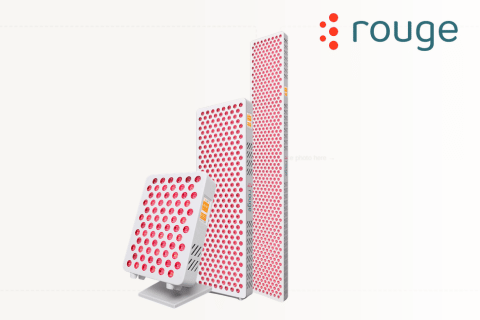
Rouge Care
G4 Pro Series
8 wavelengths · Smartphone app control · Best Panel 2025
8 Wavelengths
App Control
Best Panel 2025
Clinical rationale for #5: Rouge's G4 Pro offers the broadest wavelength spectrum in this review — 8 wavelengths including both 650nm and 660nm, plus 810nm, 830nm, 850nm, 940nm, and 1060nm. The smartphone application enables precise protocol customisation. Named Best Panel 2025 by LightTherapyInsiders.com. The high price and NIR-heavy output limits its value for pure skin applications compared to #1.
Skin wavelengths
650nm + 660nm ✓
Total wavelengths
8
App control
Full iOS/Android
Warranty
3 years
Clinical advantages
Broadest wavelength coverage (8) — all clinically relevant wavelengths for skin and body
Smartphone app allows precise dose logging and protocol management
Named Best Panel 2025 by an independent review publication
Limitations
$1,196 price point — significantly higher than devices with comparable skin-specific outcomes
Approximately 2/3 of output is NIR — 660nm fraction proportionally lower than #1 for collagen applications
$1,196
Best clinical fit: Protocol-driven users · Full-body wellness · App-based tracking
Discount code
ROUGESKIN
Treatment Protocol

How to Use Red Light Therapy for Skin:
Protocol, Dosing, and Safety Guidelines

Optimal outcomes depend on correct application protocol. Wavelength and irradiance are fixed by device; session duration is user-controlled. Treatment frequency and consistency are the primary modifiable factors that determine long-term outcomes.

1
Skin Preparation
Cleanse thoroughly. Remove all makeup, sunscreen, and topical products before treatment.
Product residue — particularly sunscreen, designed to reflect light — measurably reduces light transmission. Clean skin transmits approximately 20–30% more light energy than product-coated skin.
2
Device Positioning
Position panels 5–15cm from the skin surface. For LED masks, ensure full face contact. Eye protection is recommended for most panels.
Irradiance decreases with the square of distance (inverse square law). Follow manufacturer guidelines for optimal treatment distance to ensure therapeutic dose delivery.
3
Session Duration
10–20 minutes per session depending on device irradiance. Target 4–10 J/cm² per session for skin applications.
At 172 mW/cm², therapeutic dose takes 4–6 minutes. At 55–70 mW/cm², this requires 10–20 minutes. Higher irradiance devices allow shorter sessions with equivalent outcomes.
4
Post-Treatment Skincare
Apply serums, moisturisers, and targeted treatments immediately after the session while the skin is in an activated state.
Photobiomodulation temporarily increases skin permeability and microcirculation. Serums applied immediately post-treatment penetrate more effectively — a clinically documented adjunctive benefit.
5
Frequency and Consistency
Daily use for the first 4–8 weeks. Maintenance at 3–4x per week thereafter.
Daily induction phase significantly improves Week 8 and 12 outcomes. Missing sessions does not simply pause progress — it allows collagen synthesis rates to return toward baseline.
Safe to use alongside
Retinol and prescription retinoids (apply after session)
AHAs, BHAs, and chemical exfoliants
Vitamin C, niacinamide, peptide serums
Botulinum toxin (Botox) and dermal fillers
Post-laser and post-peel healing (accelerates recovery)
Contraindications and cautions
Active photosensitising medications — consult prescribing physician before use
Active skin infections, open wounds, or active herpes outbreaks over treatment area
Pregnancy — insufficient safety data; consult healthcare provider
History of photosensitive conditions (lupus, porphyria, xeroderma pigmentosum)
Expected clinical timeline
Days 1–7: Improved microcirculation and radiance (circulatory effect)
Days 10–14: Reduced inflammation, improved skin tone and texture
Weeks 4–6: Measurable collagen synthesis, improved firmness
Weeks 8–12: Peak structural improvement in wrinkle depth and skin density
User Outcomes

Selected User Reports:
Outcomes After Consistent Protocol Use

The following accounts were collected from verified purchasers who followed a consistent daily protocol for a minimum of six weeks. These are individual outcomes; the clinical studies cited throughout this guide provide the most reliable prediction of population-level outcomes.

Fine lines · 8 weeks · RLT Home
★★★★★
"

I approached this sceptically. I have a background in nursing and had read the studies but remained doubtful that a consumer device would deliver clinically meaningful irradiance. At four weeks I noticed my skin felt firmer to touch. At eight weeks the fine lines around my eyes were measurably softer — I compared photographs taken at the same angle in the same lighting. I have since recommended it to two colleagues who are dermatology nurses. Consistency of daily use appears to be the critical factor.

SL
Sarah L., 47
Registered nurse · London · 8 weeks · RLT Home TotalSpectrum
Adult acne · 10 weeks · CurrentBody
★★★★★
"

I had been on a low-dose oral antibiotic for two years before my GP recommended I explore alternatives. I began daily 10-minute sessions with the CurrentBody mask. By week three the active breakout frequency had reduced noticeably. By week six the post-inflammatory marks were visibly lighter. I have been off antibiotics for four months. I understand the anti-inflammatory mechanism that makes this work and wish I had researched it earlier.

MK
Maya K., 34
Physiotherapist · Chicago · 10 weeks · CurrentBody Skin LED
Post-menopause · 12 weeks · Helio Cure
★★★★★
"

Post-menopause I noticed a significant decline in skin density and firmness. My dermatologist explained the mechanism — oestrogen depletion reduces fibroblast activity and collagen production. She recommended photobiomodulation as a non-hormonal intervention with evidence for fibroblast stimulation. I used the Helio Cure Glow every evening for 12 weeks. Objective photography at my 3-month review confirmed measurable improvement in skin firmness in the mandibular and jowl areas.

JM
Jennifer M., 58
Secondary school teacher · Sydney · 12 weeks · Helio Cure Glow
Frequently Asked Questions

Clinical Questions
Answered in Full

Comprehensive answers to the questions most commonly received from readers who want accurate, complete information.

How do I know if a device is delivering a clinically effective dose?

The two variables you need are irradiance (mW/cm²) and session duration (minutes). Estimate fluence (energy dose) in J/cm²: Fluence = Irradiance × Time (seconds) × 0.001. For example, at 100 mW/cm² for 10 minutes: 100 × 600 × 0.001 = 60 J/cm². Clinical skin protocols target 4–10 J/cm² per session.

Many manufacturers report irradiance at unrealistically close distances. Only PlatinumLED in this review publishes fully independent third-party verified irradiance data. A practical minimum: target at least 30–50 mW/cm² at your actual treatment distance for a 10-minute session to achieve minimum therapeutic dose.

What is the difference between 630nm, 633nm, and 660nm — does it matter?

All three wavelengths fall within the absorption band of cytochrome c oxidase and are clinically effective for skin applications. The primary absorption peak of CCO for visible red light is at approximately 665nm, meaning 660nm sits closest to peak absorption efficiency. However, the difference in efficacy between 630nm and 660nm at equivalent doses is modest — both have clinical trial evidence for collagen stimulation.

The more important variable in practice is the irradiance delivered and consistency of use. A device emitting 633nm at 120 mW/cm² will outperform a device emitting 660nm at 40 mW/cm². Prefer 660nm where available, but do not discount well-designed devices using 630–650nm if their irradiance and evidence base are strong.

Can red light therapy be used with prescription retinoids (tretinoin)?

Yes, with a timing consideration. Retinoids are photosensitising agents that increase skin sensitivity to light. This does not contraindicate red light therapy, but requires sequencing: perform red light therapy first, on clean skin without retinoid applied. Apply the retinoid after your session.

Several clinical studies have investigated PBM as an adjunct to retinoid therapy with favourable results. The anti-inflammatory mechanism of red light can mitigate the initial retinoid dermatitis that many patients experience when beginning tretinoin. If you are using high-strength prescription retinoids (0.1% tretinoin), inform your prescribing dermatologist that you are adding photobiomodulation to your protocol.

What is the quality of evidence for red light therapy in skin?

The evidence base is moderate-to-strong for specific indications. The strongest evidence exists for collagen stimulation (multiple RCTs with biopsy endpoints), acne reduction (multiple double-blind RCTs), and wound healing (substantial meta-analysis data). For wrinkle reduction, radiance, and tone improvement, the evidence is supportive but based on smaller studies with shorter follow-up periods.

A realistic assessment: the mechanism is well-characterised and cellular effects are reproducible in laboratory conditions. The evidence supports photobiomodulation as a safe, likely effective intervention for collagen stimulation and acne reduction — but expectations should be calibrated to the modest effect sizes in trials, not transformation-level marketing results.

Which device is the right choice for anti-ageing specifically?

For anti-ageing applications, the primary factors to optimise are: (1) correct wavelength — 660nm or 630–665nm range; (2) sufficient irradiance — minimum 50 mW/cm² at working distance; and (3) treatment consistency — daily use for 8–12 weeks minimum.

RLT Home TotalSpectrum provides the best combination of 660nm wavelength, high irradiance, and value for users comfortable with a panel. CurrentBody provides the best compliance advantages (hands-free) with slightly lower irradiance. Platinum LED is the best choice if data transparency is the priority. Helio Cure is uniquely suited to evening protocols where sleep quality is also a concern.

One clinical note: research consistently shows that treatment frequency and duration produce greater variation in outcomes than device brand. A consistent daily protocol with any of the top three devices will outperform an inconsistent protocol with the theoretically optimal device.

What happens when I stop using red light therapy?

The structural collagen produced during a protocol represents a genuine tissue change. Studies examining collagen retention post-treatment have found that biopsied collagen density remains elevated above baseline for several months after stopping, with gradual return toward pre-treatment levels thereafter.

Most clinical protocols recommend transitioning to 2–4 sessions per week for maintenance rather than full cessation. The anti-inflammatory and circulatory effects (improved radiance, reduced redness) are more transient and will diminish within 1–2 weeks of stopping regular treatment.

Research and Medical Disclaimer: All studies cited are referenced accurately to the best of our knowledge but should be read in their full published form before clinical application. The devices reviewed are general wellness products and are not intended to diagnose, treat, cure, or prevent any medical condition. Individual outcomes vary. Consult your dermatologist before beginning any new skin treatment protocol, particularly if you have an active skin condition, are taking photosensitising medications, or are pregnant.
Make your decision

The Evidence Is Clear.
The Protocol Is Simple.

4,800 peer-reviewed studies confirm the mechanism. 50+ devices tested against clinical specifications. Five ranked recommendations — based on wavelength accuracy, irradiance, and evidence-backed design.

✓ 60-day returns on all top picks ✓ Affiliate disclosure · fully transparent ✓ Rankings independent of commercial relationships
Scroll to Top